Accessories
Beer Accessories Checklist: 8 Items Every Craft Beer Fan Should Own
Most beer gear gets bought in a taproom gift shop, after one beer, on a whim. The result is a drawer full of novelty openers shaped like fish and a koozie with a brewery logo you can't quite place. None of it is a crime. But a surprising amount of it never gets used twice.
The useful stuff is duller than that. It's the opener mounted where you actually open bottles, the glass that makes an IPA smell like an IPA, the sleeve that keeps your hand dry on a hot afternoon. Here's the short list of accessories worth owning, roughly in the order most drinkers end up needing them.
Two Openers, One for Each Job
Start with the obvious one and buy it properly. A wall-mounted opener should be cast metal, mounted where you store the beer — the side of a shelf, the edge of a cabinet, the post of a back porch. You want one firm pull, the cap in the bin, no hunting through a drawer with a full glass in your other hand. When is it worth buying? The first week you're opening more than two bottles at home.
The second is a bar blade, that flat rectangular opener bartenders spin on a finger. The trick isn't style, it's leverage: the wide edge handles stubborn caps and the flat side opens cans without bending the tab. Keep one in the kitchen drawer and one in a bag you take to cookouts.
Add a cork-and-cage tool if Belgian bottles are regulars
Corks under wire cages — most Belgian ales, some sours, anything in a champagne-style bottle — need a different approach. Loosen the cage, keep a thumb pressed on the cork, then ease it out at an angle so it leaves with a sigh instead of a bang. A dedicated tool makes that easy. If you buy these bottles a few times a year, it's worth the space; if you buy one every other summer, work slowly with what you have.
Glassware That Fits the Beer
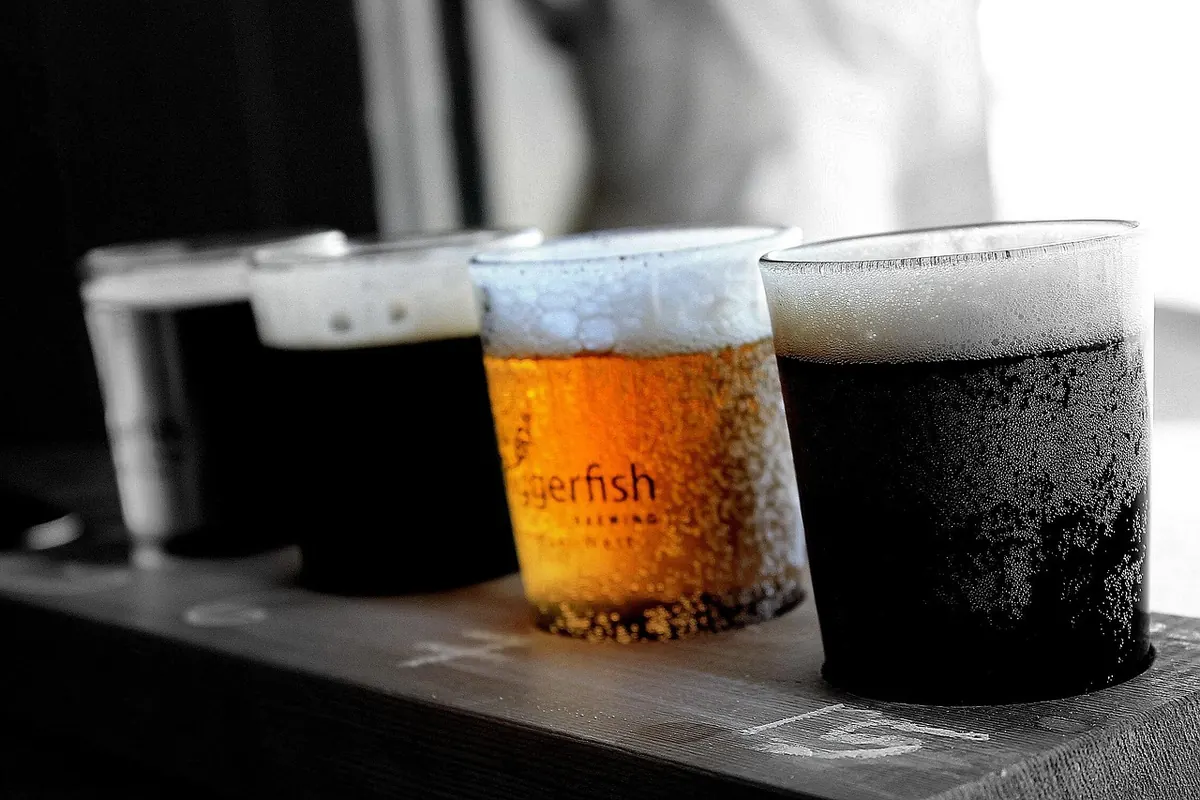
The right glass isn't ceremony. Shape decides where aroma collects and how much of it reaches your nose, which is most of what you call flavor. Three shapes cover nearly everything:
- Tulip or snifter — IPAs, stouts, strong ales. A wide bowl that narrows at the rim, so the hops and malt land together instead of the alcohol heat.
- Willi Becher or nonic pint — lagers, pilsners, pale ales, whatever's cold in the fridge. Straight walls, easy to stack, hard to break.
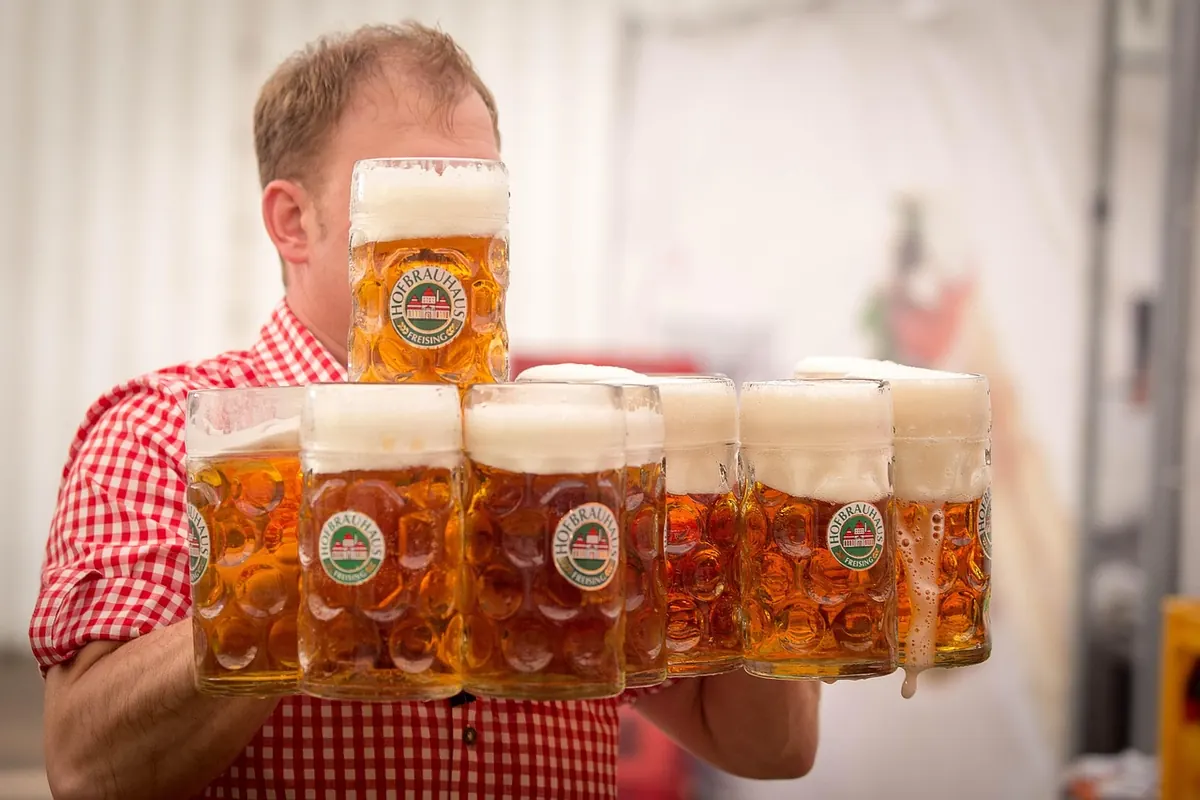
- Wide-mouthed goblet or chalice — wheat beers and Belgians, the ones you sip slowly over an hour.
Two habits matter more than the glass itself. Rinse with cold water and let it drain rather than toweling it dry, since detergent residue flattens head retention. And never store glasses upside down on a bar mat that smells of old beer. Buy one good glass at a time, ideally from breweries you like, until you have three you actually reach for.
Koozies and Other Small Comforts
A koozie is the most boring gift in beer and one of the few things you use every single time. Foam and neoprene sleeves keep condensation off your hand and hold a can cold a few minutes longer. The expensive ones aren't automatically better — foam density and stitching matter more than the logo, and a printed sleeve that starts flaking after a month was printed badly, no matter what it cost.
Two more small items earn their drawer space: a beer mat or drip tray for wood tables, and a folding bottle carrier for the walk to a neighbor's place. Neither is exciting. Both prevent a specific, recurring annoyance.
Growlers and Gear for Fresh Beer
A growler only makes sense if you'll drink it within a few days. Beer from a tap is not packaged for shelf life; oxygen gets to work fast, and a bright IPA filled on Friday can taste tired and papery by the middle of the following week. Fill at the brewery or a taproom with a counter-pressure filler if they have one, cap it tight, keep it cold, and drink it sooner than feels reasonable.
Buy one 32-ounce or 64-ounce growler and stop there. Ceramic and decorative versions look great on a shelf and are miserable to clean. Insulated stainless models keep beer colder longer but hide the fill line, so check the capacity against your fridge shelf before you commit.
Pair a growler with an insulated six-pack carrier or a small zippered cooler with dividers. It holds bottles upright, keeps them out of sunlight, and is the single accessory that gets used every time you leave the house with beer.
A Cleaning Kit Nobody Regrets
Residue is the most common reason a good beer tastes flat at home. Keep a short kit together so you're not improvising:
- A long-handled bottle brush with a soft head, for growlers, thermoses and the occasional stubborn glass.
- A glass sponge that never touches dish soap.
- A fragrance-free oxygen-based cleaner for growlers and bottles, used as directed and rinsed thoroughly.
- A clean, lint-free towel reserved for glassware, or a drying rack if you'd rather air-dry.
Buy it the day you notice a glass smells like the dish towel. If you run a kegerator, line cleaning is its own discipline — follow proper practice rather than guessing, and if you're unsure, ask the shop that supplied the system.
A Notebook, or Any System That Remembers
You will forget the name of the beer you loved. A pocket notebook, a notes app, or a photo of the label all work equally well. Record three things: the beer, where you drank it, and one plain word about how it tasted. After a year that's a shopping list, a travel log and a way to stop re-buying the one you didn't finish. It takes ten seconds and saves a lot of standing in a bottle shop squinting at labels.
What to Buy First
If you're starting from nothing, this order gets the most use per item:
- A wall-mounted opener where you store beer.
- Two or three glasses in shapes you'll genuinely use.
- One sleeve per person who drinks outside.
- A growler and insulated carrier, if a good taproom is nearby.
- A cork-and-cage tool, if Belgian bottles are regulars.
- The cleaning kit.
- The notebook.
- Everything else — neon signs, novelty tap handles, the fish-shaped opener — whenever it makes you smile.
None of this makes beer better on its own. It removes the small frictions that keep you from enjoying what you already bought: a warm can, a soapy glass, a cap that won't budge. Buy slowly, replace what breaks, and treat the drawer of silly openers for what it is — harmless, occasionally fun, and never the point.
Photo: Pexels / Pixabay
Related Articles